Thursday
Jul142011

Eleven Year Old Takes Barefoot Challenge

My soon-to-be 12 year old son decided one day that he wanted to go exclusively barefoot for 20 days. Going out to play with friends? barefoot. Heading to the pool a couple miles away? barefoot. Biking a few miles to take care of a vacationing neighbor's house? barefoot. Climbing the maple tree? barefoot. Church? barefoot until we arrived to the building... then cover those dirty feet with clean socks and black shoes, buddy boy. I'm still the mom. 

But here's what was impressive: our average summer days easily hit 103 degrees in the summer. And 100 feet east of our house is an open field of dry grass, thorns, and the occasional rattlesnake. To get to this favorite neighborhood playspace, it involves running down the steaming hot street. Top it off with a 2 mile hike through rocks, weeds and the aforementioned snakes to get to the lake and you've got a challenge that beats swimming in the Artic waters in a Speedo. 

He did it! We made sure to keep his feet emolliated with the hard lotion bar. He applied it daily and by the end of his challenge, his feet were soft. I created a special hard lotion bar loaded with anti-fungal essential oils (which, he claims were unnecessary since fungus is a problem with shoe-wearers, not naked feet... to which I reminded him we'd be at the pool a lot... by the way, you can find that recipe in my new e-book.)

Ready to be challenged (or endeared) by his videos? Check it out here:


Saturday
May282011

Beekeeping on The Splendid Table

My ears always perk up if one of my favorite podcasters is talking about bees. After all, beeswax seals the deal in the hard lotion bar and without it, hands and feet would be a mess. So tonight it was Lynne Rossetto Kasper speaking with bee researcher Marla Spivak. Here's an overview of their conversation: 

A Bee's Life:

Young bees act as nurses to sister bees.

Middle age bees secrete wax. Older bee is a forager and collects nectar.

The bees lives 4-6 weeks and then they die.

The queen lays 1000 eggs a day.

Colony Colapse Disorder.  Bees are dying probably due to 1.) not enough flowers out there  2.) the flowers they encounter have pesticides 3.) bees have their own diseases

In winter 2006 a lot of colonies were suddenly lost. Why so suddenly? Honeybees have been in decline since WW2, due to the agricultural changes. Recent years, it's due to either a new disease or a new pesticide, or a combination of the two.

The future? There's a huge interest in beekeeping, which means people will start paying attention.


Tuesday
May242011

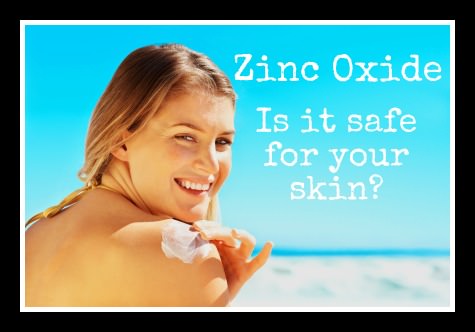
SPF? Sunscreen or No Sunscreen? Zinc Oxide? Vitamin D? 

It used to be that we were warned to stay out of the sun at all costs... don't leave home without the sunscreen... lather up in the highest SPF possible... always wear a hat... and if you must venture outdoors, go before 10 a.m. or after 3 p.m.

The problem with this, according to Dr. Mercola, is that "wearing sunscreen effectively blocks your body’s production of vitamin D, which happens naturally when your skin is exposed to sunlight. In fact, sunscreens reduce vitamin D production by as much as 97.5 to 99.9 percent."

The article goes on to say that the flip side is that you don't want to get burned.

The happy balance is to slowly expose your skin to the sun a little at a time each day. If you do need to be outdoors to the degree that you risk sunburn, then do the following:

  • wear a hat
  • use a sunscreen containing the minerals zinc oxide or titanium oxide as the base for sunscreen protection.  They don't penetrate the skin like other chemicals used in lotions, and unless you are inhaling the powder, they are completely safe
  • wear "strategic clothing" - cover where you need to
  • start small and build up the amount of time spent outdoors

Since the diaper rash cream contains zinc oxide, it doubles as a sunscreen.  My guess on the spf is around 10-15 (based on 6% zinc oxide; Dr. Mercola's formula has 7%, which he says is a 15 spf). It gets bonus points for containing coconut oil, the food of the tropics.

Read the rest of Dr. Mercola's article for more on ways to find out if your sunscreen is safe, and what makes UVB the good guy and UVA the bad guy when it comes to ultraviolet light.

Thursday
May052011

Does Lemongrass Oil Attract Bees?

After posting a Mother's Day special of a lemongrass oil add-on to the lotion do-it-yourself kit, I was told by a beekeeper's wife that lemongrass oil is used to attract swarms of bees! That put me in a slight state of panic as I scrambled to find out more.

A question to the people over at GloryBee Foods, a beekeeping and skin care product supplier, assured me that for skin care products, lemongrass oil is safe. Here's the answer they gave:

We can’t say that the lemongrass absolutely won’t attract a bee swarm, but we can give our “expert opinion” that the likelihood is slim to none.  Lemongrass is used in beekeeping swarm lure with other oils to recreate the smell of the queen’s pheromones.  However, as you pointed out, Lemongrass is a very popular oil used in skincare items all the time- and without any such complaints.  Hope that helps!

So go ahead and make your lotion with lemongrass, or do as the bees do and if you're making lotion for the Queen mama in your life this Mother's Day, choose a scent that complements mom's personality.

Wednesday
May042011

Whipped Shea Butter Recipe

For written instructions, visit The Lotion Exchange.

Wednesday
May042011

Getting a Massage for Mother's Day? What to Expect:

Last year on Mother's Day, my husband proudly announced that he scheduled a massage for me.

I panicked.

First, I was not the massage type. Scratch that... massage, yes, but massage by a total stranger? No.

Second, I could think of two things I would rather do with $50: shop Kohls, then hit Starbuck's.

Third, what in the world do I do during a massage?? Talk? Listen to my iPod? Strip? To what? I was uncomfortable just thinking about it.

Now, a year later, it was the best gift ever. I was pleasantly surprised to find that it wasn't just a luxury, but a real massage from a real massage therapist. Shannon knows her muscle groups, explains the role of lactic acid, and really works the deep tissue treatment. So much, in fact, that it's borderline painful. If you're fortunate to find a massage therapist that can do all that, she's worth her weight in gold.

Massage therapists are professionals who treat you with respect and privacy. They leave the room when you change your clothes.  It's up to you what clothing to leave on, and the parts you'd expect to stay covered, are covered.

By touch, massage therapists know what muscle groups need work and which areas are tender. They work with you to give the most amount of pressure possible without causing you (too much) pain.  Personally, I try to endure the most pain because then I know I'm getting the best work done.

To get the best of your massage, don't bother wearing make up, and don't make plans to shop afterward. In fact, do what I do: get a chiropractic adjustment immediately following the massage. You can expect to feel very sore afterwards. And you should drink, drink, drink plenty of water following your massage. If you can, go home and rest.

A year later, I'm back for my Mother's Day massage. But this massage joins the thirty-some massages I've received since last Mother's Day.

Massage Oil Recipe

For every 6 ounces of carrier oil, add 20-30 drops of essential oil

Carrier oils can be: almond oil, apricot kernel oil, fractionated (liquid) coconut oil, or jojoba oil.

Essential oils can be whatever you prefer, or mix up a blend!


Wednesday
May042011

Survivorman Finds 5 Uses for a Coconut, for Survival

One more reason to love the hard lotion bar's ingredients:

Who better to give us the scoop on coconuts than Survivorman, the reality series survivor expert who uses his abandonded surroundings to feed, protect and shelter himself.

In his South Pacific episode, he finds five uses for the coconut:

1. Inside the coconut, the husk makes a great fire starter

2. Drink the coconut water

3. Eat the coconut meat

4. Smear the "coconut mush" (the meat) over the face to protect the skin from the sun

5. Use the coconut shell as a bowl to roast clam over an open fire

Survivorman Les Stroud states he could live off a coconut a day - there are plenty of nutrients in one coconut. Add a fish and you've got a diet fit for a survivor.

So there you go... next time you find yourself stranded on a deserted island, no need to panic.

Monday
May022011

From Jungle to Skin - the Cocoa Bean

The EdventureProject, one of the organizations that we sponsor, had the opportunity to learn how the cocoa bean  travels from seed to chocolate during their recent stay in Guatemala. In a video of their interview, we learn the following facts about cocoa beans:

*cocoa pods grow on the trunk of the tree and are harvested year-round

*in Guatemala, cocoa is pronounced “cuh-cow”

*a cocoa pod is about the size of a large sweet potato, and cutting it is like cutting a gourd

*inside the pod is the arrangement of cocoa seeds held together and surrounded by a white, slimy, citrus and sweet-tasting liquid

*that sweet, white liquid is what feeds the fermentation process

*cocoa beans are fermented naturally on the jungle floor, inside the pod

*cocoa beans are extracted from the pods, dried, toasted (to remove the shells), and then ground into powder (cocoa powder)

*cocoa butter is the result of pressing the cocoa beans with a press, extracting the oil

*the Mayans like their chocolate hot... but by that I mean spicy!

*the skin of the bean is released when heated, and the skin by-product is often used to make tea

*chocolate can be made with just cocoa powder and honey.

*chocolate mousse: Kari says she makes a chocolate mousse with avocado, cocoa powder and honey!

Watch the process of making chocolate from the cocoa bean here: http://edventureproject.com/learn-to-make-chocolate/

I'll ask Kari to share her chocolate mousse recipe. Here's my first try at sweetened chocolate which will completely replace my need for a Snicker's bar fix:

Homemade Chocolate (chewy like a taffy but softer, smoother, and velvety)

On low heat, melt about a tbs of coconut oil, add 2-3 tbs of honey and stir. Slowly stir in about a tbs of cocoa powder until a chocolatey, velvet consistency occurs (may need to remove from heat before you get to this point).  Transfer to plate and cool (or drizzle over a banana). Enjoy! 

Wednesday
Mar302011

Tan Enhancing Cream Recipe

I flipped through my Nourishing Traditions book a couple weeks ago to find a recipe to try out at my local Weston Price potluck meeting. I stopped at the section of healthy oils and found that palm oil was right up there with coconut oil as a healthy, edible oil.

If it's healthy for the body, it must be healthy for the skin, so I experimented with it. Red palm oil is palm oil in its purest form and, well, it's red! To be more accurate, pure red palm oil applied directly to the skin is more of a salmony, orangey, yellowish oil. Alone it could make a person look jaundiced, but I added a couple other ingredients:

Tan Enhancing Sunscreen #1

1 oz cocoa butter

1 oz olive butter

.5 oz red palm oil (or more, for a stronger color)

What's neat about this cream is that it immediately brings color to the skin. Think "fake tan." It may not please all skin tone types, however, as those with a rose undertone may clash with its yellowish coloring. But the good news is, it penetrates smoothly and easily without the potential for "oops, missed a spot." The cocoa butter gives it a bit of a chocolate scent.

Tan Enhancing Cream #2 : Easier than the recipe above is the red palm oil/coconut oil concoction (photo below). Just mix up equal amounts of both, adding more red palm oil if you want more color. I put this together today and it applied very easily. It was 80 degrees outside so there's potential that this one could be a liquid oil at higher summer temperatures (not necessarily a bad thing).

I'll still play around with ingredients and color but this is a healthy start to using palm oil for the skin.

According to Dr. Bruce Fife in his book The Palm Oil Miracle, there are many benefits of palm oil:

  • helps improve skin health and enhances the skin's ability to heal
  • it's an efficient way of enriching the skin with vitamin E and carotenes
  • helps to fight off the effects of free radicals and keep your skin looking younger
  • it's comparable to SPF15 sunscreen

By the way, one potential drawback (I haven't experienced it yet) is that red palm oil can stain clothes. You could instead apply white palm oil on the skin. Palm kernel oil is colorless and won't stain the skin.

Next, I'll try cooking with palm oil!

Wednesday
Mar232011

Ever Have Your 2 Year Old Get A Hold of the Desitin?

I was two and my brother was a year old. Somehow we managed to get a hold of the Desitin when my mom wasn't looking and apparently covered each other with it. My mom still reminds me of it.

This morning I walked into the room to find my own two year old with the diaper rash cream I use on him. Thankfully the ingredients are safe and since he likes to rub it all over his face, I don't have to worry about kissing a fish - it's unscented.

Wednesday
Mar162011

Video of Apple Juice Kefir Being Poured

Wednesday
Mar162011

How to Make Apple Kefir Juice

I've had a lot of requests for our juice kefir recipe so I'm posting a photo and instructions on how to make juice grains from your dairy grains.  Juice kefir is extremely easy to make once you have the grains, and it's delicious. We've had success with using the same strain of grains for the past few years; we've even shipped them to a friend who started her batch and a year later she shipped grains from her batch to replenish ours when lack of feeding it "killed it."

Unfortunately, I don't remember the exact process but I believe we used Dom's instructions outlined below to take dairy kefir grains and transform them to juice kefir. Here are his instructions, with a link to the rest of the post:

Conditioning Milk-Kefir Grains to Sugary Water
✴ Transfer a portion of your milk-grains to a sugar solution (sugar-water, or diluted
raw white grape juice); see Kefir d’Acqua recipe below, for proportions. Ferment
as usual at room temperature, then strain and repeat.
✴ Note that the first few batches take longer to ferment, up to 4 - 5 days, while the
grains become accustomed to the new media (source of sugar). After 3 batches
or so, the grains should complete fermentation within 24 - 48 hours.
✴ Do not use all your milk kefir-grains, but only spare grains. Thereafter, always
use the water-grains for water media, and milk grains for milk. Don’t try to transfer
back and forth.


THE EASY PART: Once your kefir grains are usable for juice, add grains to a gallon (or less) of apple juice, leave out at room temperature for 12-48 hours (or less in hot weather) and taste a couple times a day. When it starts to develop bubbles, tastes pineapply, and looks a beautiful shade of pineapple yellow, it's time to refrigerate and enjoy. DISCLAIMER: there's an element of danger with it - if kept in a glass container tightly closed at room temperature for too long, it can explode (that's another story for another day!). I now use a gallon sized glass jar with a plastic lid not-so-tightly closed.

To revive juice grains that have been dormant: Feed it with sugar and/or apple juice every day until it starts to bubble again. Kept at room temperature. About a tbs of sugar every day in a quart size jar of apple juice/kefir grains should do it. It took us a good week or so until it bubbled.  Then go back to "the easy part" and you'll have kefir for life :)

Wednesday
Feb022011

Can't Hurry Love - Cocao Butter and Sauerkraut Have This in Common

Fermentation.

Yup. It takes a nice, slow, controlled fermentation to bring out the best flavor and properties of a natural product. That goes for both Cocao Butter and raw sauerkraut. Man steps in, notices a natural process and then uses that fermentation to enhance an otherwise bland or impotent ingredient. He coaxes and nurtures those microbiotic lifeforms to turn okay stuff into the sublime.

Sauerkraut on a hot plate of buttered potatoes? Cocoa Butter lathered on a beautifully tanned body? Some say there's even romance found in both. Those are the moments we look forward to at the end of a hard working day.


Tuesday
Feb012011

MadeOn Valentine Contest

Thanks to all Facebookers who participated in MadeOn's First Valentine's Contest. For a chance at a $50 prize, poets wrote two-liners for the love of their lives. Congratulations to Janet Patterson, for her poem:

My fortune is in the worlds you've made of poem and picture and word/Our fortune is in this world we've made where each of us is heard.

It was a difficult choice - there were so many good ones!


Monday
Jan172011

Minimizing Callus Formation Caused by Weightlifting

This morning I woke up extra early to pull out my kettlebell weights that have been neglected the past two months. My newborn is 2 months old now, delectable Christmas temptations are behind me, and it's time to get this body back in shape.

It took a little getting used to my old routine and I don't remember this particular workout wearing me out as much as it did today, but it feels so good to be back on track again. I'm a size 8 living in a size 12 body and I want my 8 back.

An hour later I was cracking eggs for breakfast and I realized how painful the palms of my hands felt. Small calluses were beginning to form, even after just one workout.

I grabbed my Beesilk hard lotion bar and that took care of it - it minimized the pain (still had some pain, but not nearly as bad as it first was) and smoothed the skin.  Had I thought about it, I would have rubbed the Beesilk bar on about 10 minutes before my workout since I'm fairly confident that the beeswax-sealing properties would have prevented calluses from starting in the first place. I'll try that next.

Renee

Page 1 ... 3 4 5 6 7 ... 9 Next 15 Entries »

Hosted Exchange

Hosted Exchange